


Executive Education 2.0: Preparing Business Leaders for the Next Decade
In the rapidly evolving global business landscape, the role of executive education is undergoing a significant transformation. The traditional approaches to leadership development are no longer sufficient to meet the demands of the next decade. To equip business leaders with the necessary skills and knowledge, a new paradigm—Executive Education 2.0—must be embraced. This new approach integrates cutting-edge technologies, practical real-world applications, and a focus on agility and innovation to prepare leaders for the challenges and opportunities that lie ahead.
The Shift Towards Executive Education 2.0
The shift from traditional executive education to Executive Education 2.0 is driven by several key factors. First, the pace of technological advancement demands that leaders not only understand but also leverage emerging technologies. Second, the globalized nature of business requires leaders to navigate complex, multicultural environments. Finally, the increasing importance of sustainability and ethical governance has reshaped the expectations placed on business leaders. These factors necessitate a reimagining of executive education, focusing on developing leaders who are technologically savvy, culturally competent, and ethically grounded.
Integrating Technology into Leadership Development
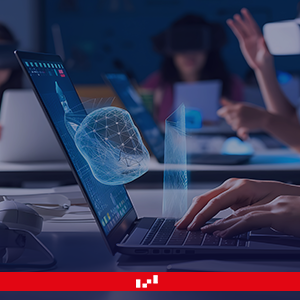
One of the most significant changes in Executive Education 2.0 is the integration of technology into leadership development programs. Artificial intelligence (AI), big data analytics, and digital platforms are now central to how leaders learn and apply new skills. For instance, the IBDL Learning Group has pioneered the use of AI-driven simulations to train leaders in decision-making under uncertainty. These simulations provide a safe environment where leaders can experiment with different strategies and see the outcomes of their decisions in real-time.
A practical case in point is the collaboration between IBDL Learning Group and a leading global technology company. The executive team of this company participated in a program where they used AI to analyze market trends and customer data, allowing them to make informed strategic decisions. The use of AI in this context not only enhanced their decision-making capabilities but also familiarized them with the technology that is becoming increasingly important in their industry.
The Importance of Agility and Innovation
Another critical component of Executive Education 2.0 is the emphasis on agility and innovation. In a world where change is the only constant, leaders must be able to adapt quickly and think creatively. This requires a shift from traditional, static leadership models to more dynamic approaches that foster a culture of continuous learning and innovation.
A practical example of this can be seen in a program developed by the IBDL Learning Group for a multinational manufacturing company. The program was designed to help the company’s leaders develop an agile mindset and innovation capabilities. Participants engaged in hands-on projects where they were tasked with solving real-world challenges using innovative approaches. The program’s success was evident when the company reported a 20% increase in new product development within a year of the program’s completion. This case highlights how fostering an agile and innovative mindset can lead to tangible business outcomes.
Navigating Multicultural and Globalized Environments
As businesses continue to expand globally, the ability to navigate multicultural environments is becoming increasingly important. Executive Education 2.0 places a strong emphasis on developing leaders who are culturally competent and capable of leading diverse teams across different regions.
A noteworthy example is the global leadership program conducted by IBDL Learning Group in partnership with an international financial institution. The program brought together leaders from various countries and cultural backgrounds, challenging them to collaborate on global projects. Through a combination of virtual collaboration tools and in-person workshops, participants developed a deep understanding of cultural differences and how to leverage them for business success. The program’s impact was significant, with participants reporting improved cross-cultural communication and a better ability to manage global teams.
The Role of Ethical Leadership and Sustainability
In today’s business environment, leaders are expected to uphold high ethical standards and prioritize sustainability. Executive Education 2.0 incorporates these principles into its curriculum, ensuring that leaders are not only effective in their roles but also responsible in their actions.
A compelling case is the leadership development program designed by IBDL Learning Group for a leading energy company. The program focused on ethical decision-making and sustainable business practices. Leaders were trained to consider the long-term impact of their decisions on the environment and society. The program culminated in a project where participants developed sustainability initiatives for their company, which were later implemented and resulted in a significant reduction in the company’s carbon footprint.
Conclusion
As we look ahead to the next decade, the need for a new approach to executive education is clear. Executive Education 2.0 represents a forward-thinking model that integrates technology, fosters agility and innovation, emphasizes cultural competence, and upholds ethical standards. Through practical cases like those mentioned above, it is evident that this new approach not only prepares leaders to navigate the complexities of the modern business environment but also empowers them to drive meaningful change in their organizations. The future of leadership development lies in embracing this holistic, dynamic model, ensuring that today’s leaders are well-equipped for tomorrow’s challenges.


IBDL
2025-03-03very very usefull